When you sign a vendor software contract, you’re not just agreeing to a service—you’re entering a critical partnership that can impact your business’s success. But have you ever felt overwhelmed by the fine print, unsure if you’re truly protected or if hidden risks lurk within the terms?
That’s where a thorough vendor software contract review becomes your best defense. This process helps you uncover potential pitfalls, negotiate better terms, and ensure the software aligns perfectly with your needs. Keep reading to discover how a careful review can save you time, money, and headaches down the road—because understanding your contract is the key to making confident, smart decisions for your business.
Key Contract Components
License terms explain how the software can be used. They cover the number of users, devices, and any restrictions. It is important to check if the license is perpetual or subscription-based. This affects long-term costs and usage rights.
Payment and fees detail the total cost of the software. This includes upfront charges, recurring fees, and any extra costs for upgrades or additional features. Clear payment terms help avoid unexpected expenses.
Support and maintenance define the help the vendor will provide. This may include updates, bug fixes, and technical support. Knowing response times and support hours is crucial for smooth operation.
Termination clauses specify how either party can end the contract. They explain notice periods, penalties, and what happens to your data after termination. Understanding these protects your interests if the relationship ends.
Common Contract Risks
Hidden costs often appear as extra fees not stated clearly. These can include setup charges, maintenance fees, or late penalties. Always check the fine print to avoid surprises.
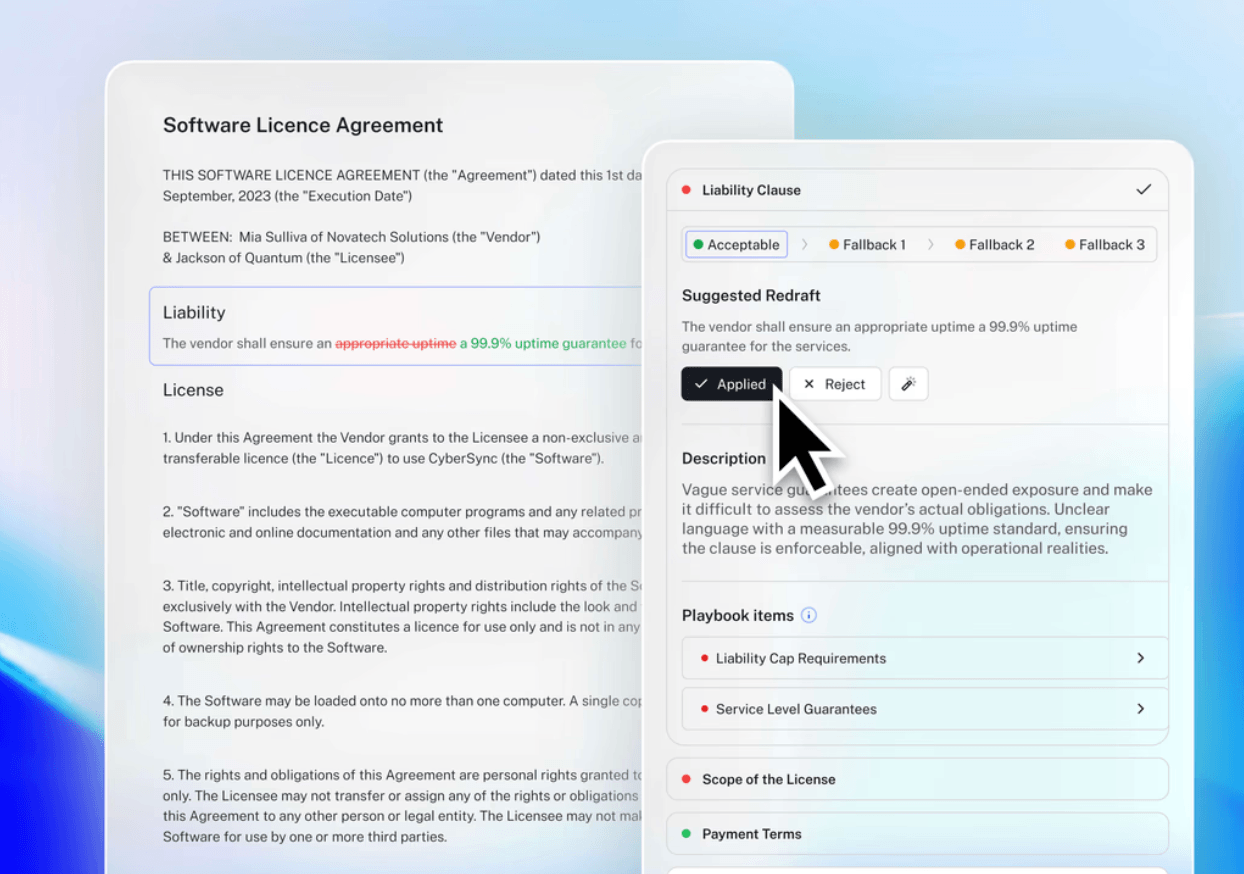
Liability issues define who is responsible if something goes wrong. Vague liability clauses can leave your company exposed to unexpected risks or legal troubles.
Data security concerns are critical. Contracts should specify how your data is protected and what happens if data is lost or stolen. Look for clear security requirements.
Unclear deliverables cause confusion about what the vendor must provide. Contracts must clearly list all products, services, and deadlines to ensure expectations align.
Review Strategies
Check compliance requirements carefully. Confirm the contract meets all industry rules and company policies. Missing compliance can cause fines or legal issues.
Assess performance metrics included in the contract. Look for clear measures to track vendor’s work quality and delivery times. These metrics help ensure accountability and good service.
Verify legal protections like liability limits, confidentiality, and dispute resolution. These protect your company from risks and keep sensitive information safe.
Evaluate renewal terms to understand how and when the contract can be extended or ended. Check for automatic renewals or fees that could affect future costs.
Using Ai In Contract Review
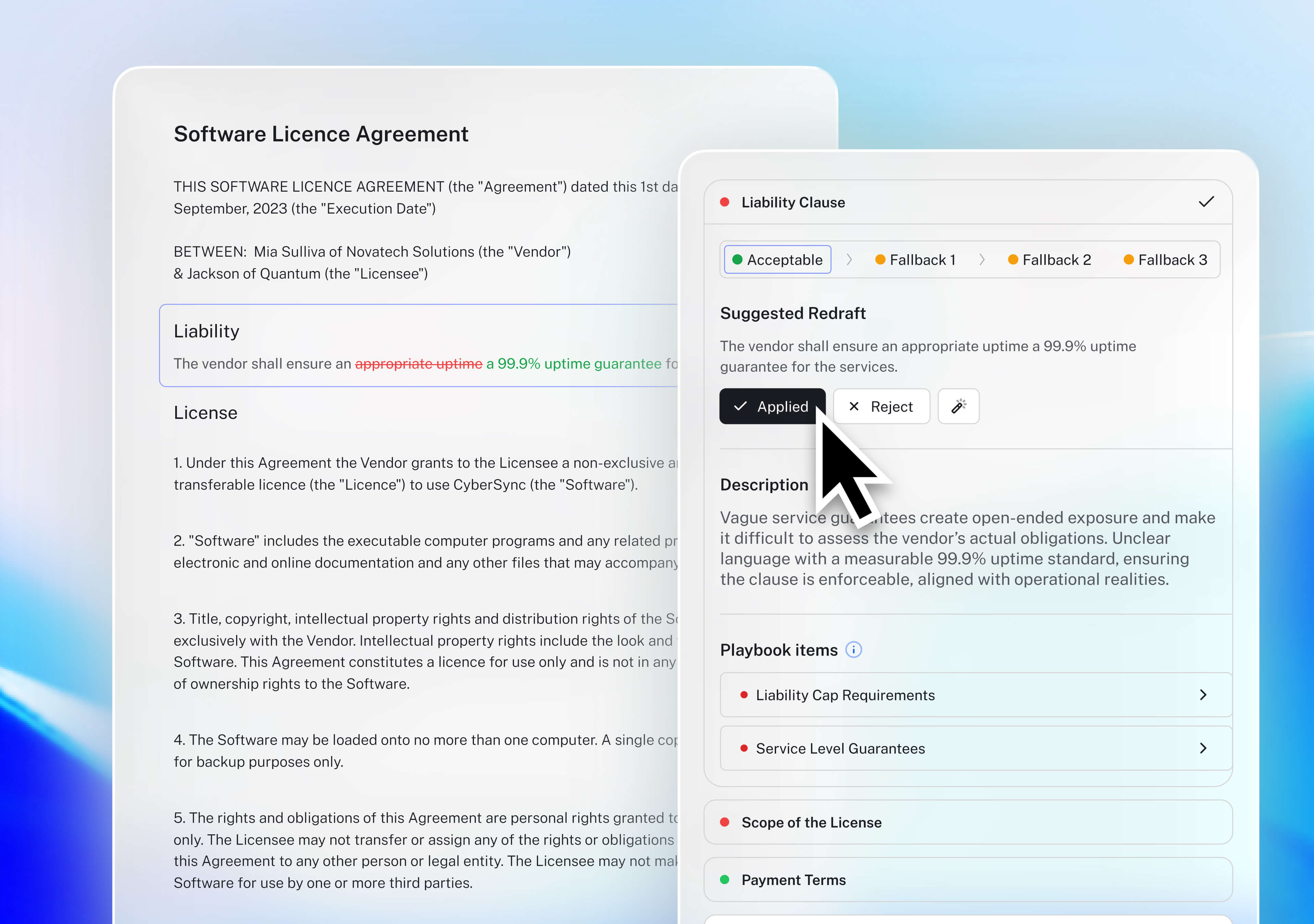
AI tools help find key contract details quickly. They save time by scanning many pages fast. AI spots errors, risks, and important terms easily.
Still, AI has limits. It may miss contract nuances or context. AI can’t fully replace a human expert. Human review is needed for tricky clauses and final checks.
| AI Software Options | Key Features |
|---|---|
| DocJuris | Contract editing, compliance checks, collaboration |
| Spellbook | AI-powered contract review, risk detection |
| Sirion | Vendor contract management, performance tracking |
Best practice: combine AI with human review. AI handles routine tasks, humans check complex issues. This mix improves speed and accuracy in contract reviews.
Negotiation Tips
Clarify ambiguous clauses by asking for simple explanations. Avoid vague words that can confuse you later. Make sure every term is easy to understand. This helps prevent problems during the contract period.
Request favorable terms that protect your interests. Negotiate payment schedules, pricing, and cancellation rights. Do not accept one-sided conditions without question. Fair terms build a balanced partnership.
| Service Level Agreements (SLAs) | Details |
|---|---|
| Response Time | Set maximum time for vendor replies |
| Uptime Guarantee | Define minimum system availability percentage |
| Support Hours | Specify vendor support availability times |
| Penalties | Include consequences if SLAs are not met |
Plan for contingencies such as service failures or data loss. Include steps for dispute resolution and contract termination. Prepare for unexpected events to reduce risks. Clear plans make problems easier to handle.
Managing Vendor Relationships
Regular performance reviews keep vendor services aligned with business needs. Schedule reviews quarterly or biannually to track progress. Use simple scorecards to measure key goals like delivery time and quality. Clear feedback helps vendors improve and meet expectations.
Communication best practices build strong vendor relationships. Maintain open and honest dialogue through regular calls or emails. Set clear points of contact to avoid confusion. Listen actively and respond promptly to questions or concerns.
Disputes may arise despite best efforts. Handle disputes calmly by discussing issues directly with the vendor. Use facts and contract terms to guide resolution. Document all communications to protect your interests.
Prepare for contract renewals well in advance. Review performance data and contract terms carefully. Identify areas for improvement or changes before negotiations start. Early preparation helps secure better terms and avoids last-minute pressure.
Frequently Asked Questions
What Is Vendor Software Contract Review?
Vendor software contract review involves examining software agreements to ensure terms are clear, fair, and protect your business interests. It helps identify risks, compliance issues, and performance obligations before signing.
Why Is Vendor Software Contract Review Important?
Reviewing vendor software contracts minimizes legal risks, prevents costly disputes, and ensures software meets business needs. It safeguards intellectual property and clarifies payment, support, and liability terms.
How Can Ai Improve Contract Review?
AI speeds up contract review by automatically extracting key clauses, flagging risks, and suggesting edits. It increases accuracy and efficiency, reducing manual errors and saving time.
What Key Elements Should I Check In Contracts?
Focus on payment terms, license scope, data privacy, liability limits, termination conditions, and service level agreements. These elements affect cost, compliance, and vendor accountability.
Conclusion
A thorough vendor software contract review protects your business interests. It helps spot risks and ensures clear terms. Taking time to review prevents costly mistakes later. Clear contracts build better vendor relationships and trust. Use simple checklists to stay organized and focused.
Regular reviews keep your agreements up to date. Always ask questions about unclear or complex clauses. Careful review leads to smarter decisions and fewer surprises. Prioritize contract clarity to avoid future problems.
Read More
- It Procurement Audit Guide: Ultimate Tips for Success
- Software Asset Management Consulting: Maximize Efficiency & Savings
- Software Vulnerability Audit: Essential Tips to Secure Your Code
- Application Security Audit Checklist: Essential Steps for Success
- Devsecops Audit Assessment: Boost Security with Expert Insights
- Open Source License Compliance: Essential Tips for Risk-Free Use
- Microsoft License Compliance Audit: Essential Tips to Stay Compliant
- Adobe License Compliance Review: Essential Tips for Risk-Free Use
- Enterprise Software Compliance Review: Essential Tips for Success
- Application Portfolio Audit Cost: Uncover Hidden Savings Today