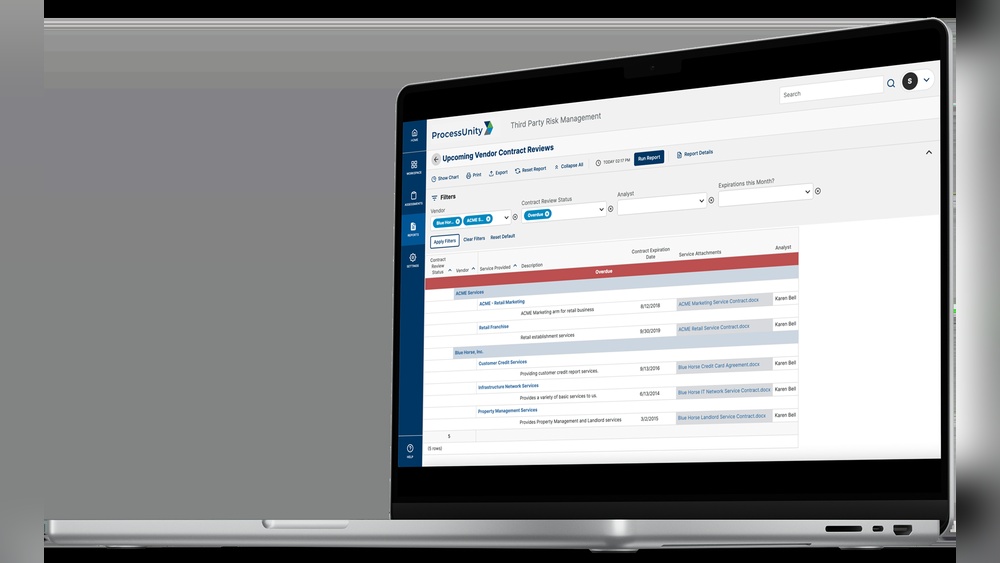
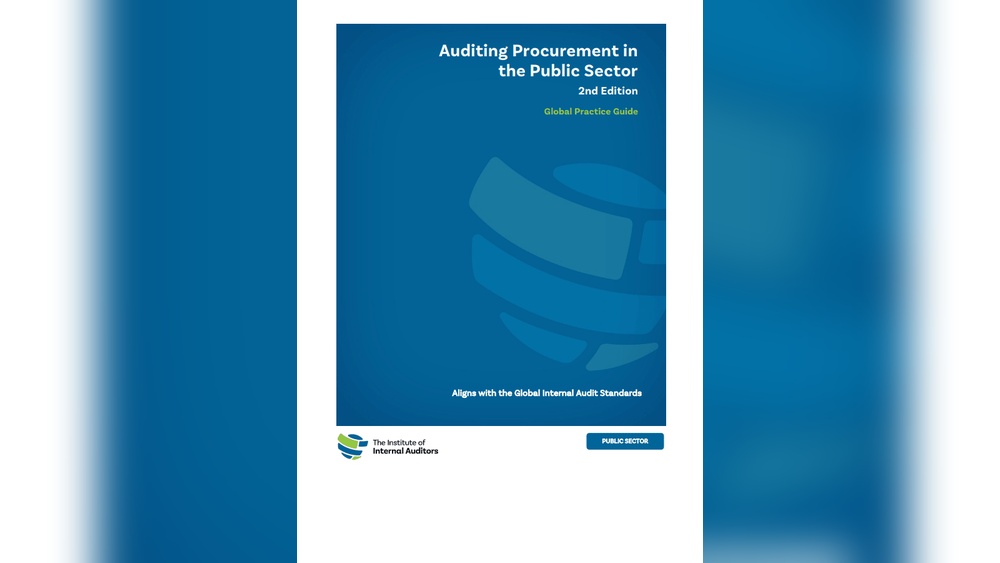
Are you confident that your IT procurement process is running smoothly and delivering the best value for your organization? If not, it’s time to take a closer look with a thorough IT procurement audit.
This guide is designed to walk you through every critical step, helping you uncover hidden risks, ensure compliance, and optimize your purchasing decisions. By following this easy-to-understand audit framework, you’ll gain control over your IT spending, strengthen vendor relationships, and boost your team’s efficiency.
Ready to transform your procurement approach and protect your company’s resources? Keep reading to discover how an effective IT procurement audit can make all the difference.

Procurement Audit Basics
A procurement audit checks how a company buys goods and services. Its purpose is to ensure rules are followed and money is spent wisely. Audits help find errors or fraud and improve buying processes. Benefits include saving costs, reducing risks, and increasing transparency.
Key components of a procurement audit include:
- Reviewing purchase orders and contracts
- Checking vendor selection and approval
- Examining payment and delivery records
- Testing compliance with company policies
Common challenges auditors face are:
- Incomplete or missing documents
- Complex supplier relationships
- Resistance from staff during audits
- Difficulties in tracking spending patterns
Planning Your Audit
Setting clear objectives helps focus the audit on key areas. Objectives should include verifying compliance, assessing risks, and finding cost-saving opportunities. Clear goals guide the audit team throughout the process.
Defining the scope limits what the audit will cover. The scope can focus on specific departments, contracts, or time periods. Narrowing the scope ensures thorough examination and better use of resources.
Gathering resources means assembling the right team and tools. Auditors need access to procurement documents, software, and expert support. Proper resources help make the audit efficient and accurate.
Risk Assessment
Identifying procurement risks means spotting things that could go wrong. These risks include fraud, errors, and delays. Also, risks like overpaying vendors or buying poor-quality goods are common. Knowing these risks helps focus the audit.
Evaluating internal controls checks if rules and procedures work well. It looks at approval processes, contract management, and payment controls. Strong controls reduce risks and help keep things fair and legal.
| Audit Area | Reason to Prioritize |
|---|---|
| High-value contracts | Greater risk of financial loss |
| New suppliers | Less history, higher uncertainty |
| Compliance checks | Ensures legal and policy adherence |
| Payment processes | Prevents fraud and errors |

Audit Procedures
Document Review involves checking all procurement files for accuracy. Auditors look at purchase requests, approvals, and related documents. This step ensures all paperwork is complete and follows company rules.
Vendor Evaluation means assessing suppliers’ performance and reliability. It covers delivery times, product quality, and past issues. Good vendor evaluation helps avoid risks and choose the best partners.
Contract Compliance checks if agreements follow terms and conditions. Auditors compare contracts with actual purchases. This step finds any deviations or unauthorized changes that could cause problems.
Transaction Testing involves sampling purchase records to verify correctness. Auditors review invoices, payments, and receipts. This helps detect errors, fraud, or policy breaches in procurement operations.
It Procurement Specifics
Technology acquisition risks include vendor reliability, hidden costs, and compliance issues. Poor vendor choices can lead to delays or extra expenses. Contracts should be clear and protect the buyer’s interests. Risk assessment helps avoid buying outdated or incompatible technology.
Software and hardware audits check if purchased items match the contracts and licenses. Audits help find unused or unauthorized software. Hardware audits ensure devices meet company standards and are properly maintained. Regular audits prevent overspending and reduce fraud risks.
Data security considerations focus on protecting sensitive information during procurement. Secure data handling avoids leaks and cyber attacks. Vendors should follow strict security policies and standards. Proper encryption and access controls keep data safe. Always verify vendor security certifications.
Using Audit Tools
Automated solutions simplify the procurement audit process by speeding up data collection. They help spot errors and ensure all steps follow rules. These tools reduce manual work and increase accuracy.
Checklists and templates keep audits organized. They provide a clear list of tasks to complete. Using them helps auditors stay on track and not miss important details.
Data analytics techniques analyze large sets of procurement data. They identify patterns, trends, and unusual activities. This approach helps find risks and improve decision-making.
Reporting Findings
Clear reports help everyone understand the audit results easily. Use simple language and avoid jargon. Organize information in logical sections for better flow.
Focus on key issues that affect procurement performance. Highlight risks, non-compliance, or areas needing attention. Use facts and data to support each point.
Offer practical recommendations to fix problems. Suggest steps that are easy to follow and realistic. Prioritize actions based on impact and urgency.
Ensuring Compliance
Regulatory requirements set the rules for IT procurement. Companies must follow laws and industry standards. This helps avoid penalties and legal issues. Auditors check if all licenses, contracts, and approvals meet these rules. Missing documents can cause problems.
Policy adherence means sticking to company rules during procurement. Staff must follow approved procedures for buying IT equipment and services. Audits look for policy breaches like unauthorized purchases or ignoring vendor rules. Clear policies reduce risks and improve transparency.
Continuous monitoring keeps procurement activities under review all the time. It helps catch errors or fraud early. Regular checks of purchase records and vendor performance ensure everything stays compliant. Automated tools often assist in tracking and reporting changes quickly.
Improving Procurement Processes
Start by examining current procurement steps. Check for delays, errors, or extra costs. Look at vendor choices and contract terms to find gaps. Gather feedback from team members who handle purchases. This helps spot issues and weak points.
Next, create a clear plan to fix identified problems. Update policies, improve communication, and train staff. Use technology to automate tasks and reduce mistakes. Make sure everyone understands the new rules.
Track changes by setting simple goals and measurements. Regularly review procurement data like costs, time, and vendor performance. Use charts or tables to see if progress is steady. Adjust plans if needed to keep improving.
Best Practices
Regular audit scheduling helps keep the procurement process on track. Set clear dates for audits to find issues early. Consistent checks help spot mistakes and risks quickly. This practice also supports better planning and resource use.
Stakeholder engagement means involving all key people in the audit. Talk with buyers, suppliers, and managers to get full information. Their input helps make the audit more accurate and useful. It also builds trust and cooperation.
Training and awareness are vital for a smooth audit process. Teach staff about audit goals and procedures. Awareness reduces errors and improves compliance with rules. Well-trained teams handle audits with confidence and clarity.
Frequently Asked Questions
What Is An It Procurement Audit?
An IT procurement audit reviews the entire IT purchasing process. It ensures compliance, evaluates vendor contracts, and identifies risks or inefficiencies. This audit helps organizations improve procurement strategies and maintain regulatory standards.
Why Conduct An It Procurement Audit Regularly?
Regular IT procurement audits help detect errors and fraud early. They ensure ongoing compliance with policies and contracts. Frequent audits improve transparency and optimize IT spending, reducing financial risks.
What Are Key Steps In An It Procurement Audit?
Key steps include planning the audit scope, reviewing policies, assessing vendor contracts, verifying approvals, and analyzing procurement data. Finally, auditors report findings with recommendations to improve processes.
How Does It Procurement Audit Improve Vendor Management?
IT procurement audits evaluate vendor performance and contract adherence. They identify weak points in vendor relationships and help negotiate better terms. This leads to stronger partnerships and cost savings.
Conclusion
Conducting an IT procurement audit helps spot risks and control issues early. It ensures your processes follow rules and meet business needs. Regular audits improve transparency and boost vendor management. Keep your records clear and review contracts carefully each time.
Use this guide to make audits easier and more effective. Strong procurement practices save money and reduce problems later. Stay consistent and watch your IT procurement improve steadily.
Read More
- Vendor Software Contract Review: Essential Tips for Risk-Free Deals
- Software Asset Management Consulting: Maximize Efficiency & Savings
- Software Vulnerability Audit: Essential Tips to Secure Your Code
- Application Security Audit Checklist: Essential Steps for Success
- Devsecops Audit Assessment: Boost Security with Expert Insights
- Open Source License Compliance: Essential Tips for Risk-Free Use
- Microsoft License Compliance Audit: Essential Tips to Stay Compliant
- Adobe License Compliance Review: Essential Tips for Risk-Free Use
- Enterprise Software Compliance Review: Essential Tips for Success
- Application Portfolio Audit Cost: Uncover Hidden Savings Today