Are you confident that your DevSecOps practices are truly protecting your software and data? A DevSecOps audit assessment is the key to uncovering hidden risks and ensuring your security measures are up to the task.
By taking a close look at your processes, tools, and compliance, you can spot vulnerabilities before they become costly problems. This isn’t just another checklist—it’s your opportunity to strengthen your defenses, streamline your workflows, and make audits easier and less stressful.
Keep reading to discover how a thorough DevSecOps audit assessment can transform your security posture and give you peace of mind.
Devsecops Audit Essentials
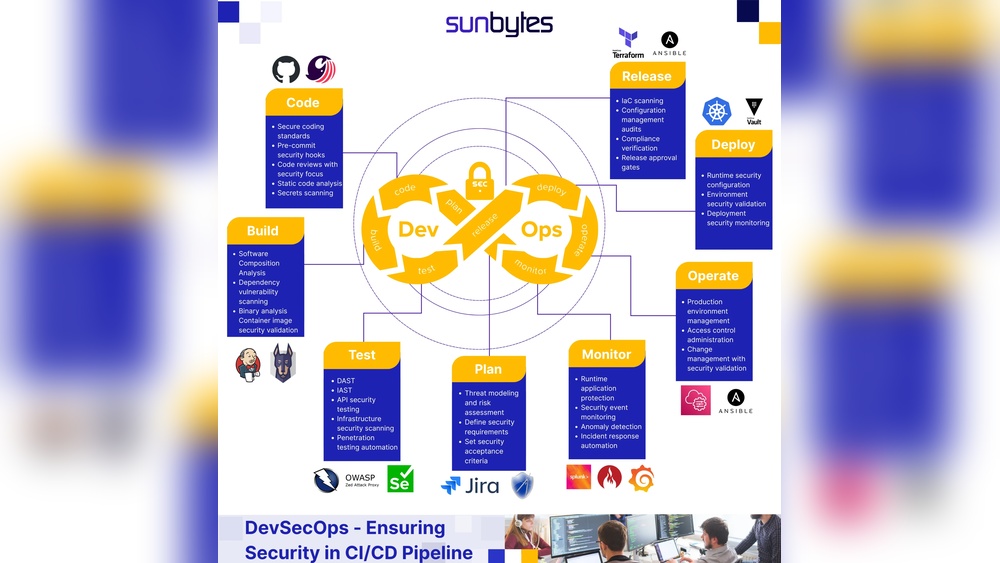
Key components of DevSecOps include continuous integration, automated testing, and security scanning. Teams must embed security checks early in the software development lifecycle. This approach reduces risks and catches vulnerabilities fast.
Security audits help find weaknesses in code, infrastructure, and processes. They ensure that security measures work as planned. Audits also verify that teams follow best practices and policies.
| Common Compliance Standards | Description |
|---|---|
| PCI-DSS | Protects payment card data during processing and storage |
| HIPAA | Ensures privacy and security of health information |
| ISO 27001 | Specifies requirements for an information security management system |
| NIST | Provides cybersecurity framework for protecting critical infrastructure |

Preparing For A Devsecops Audit
Assessing Current Security Posture means checking how safe your systems are now. Review all security tools and policies in place. Find any weak spots that need fixing. Talk to your team about current security habits. This helps to understand real risks and gaps.
Gathering Documentation and Evidence is collecting proof of your security work. This includes policies, logs, and reports. Make sure documents are clear and up to date. Evidence shows auditors you follow rules. It builds trust and speeds up the audit.
Establishing Audit Scope and Objectives sets the audit’s goals and limits. Decide which systems and processes will be checked. Clear scope helps focus the audit and avoid confusion. Objectives define what success looks like. This keeps everyone on the same page.
Audit Tools And Techniques
Automated scanning and monitoring help find security issues fast. These tools check code and systems often. They send alerts if they spot risks or breaches. This keeps the software safe all the time.
Manual code reviews mean people look closely at the code. They find problems that machines might miss. This method helps catch tricky bugs and security holes early.
Threat detection and forensics track unusual activities. They find signs of attacks or leaks. Forensics help understand what happened after a breach. This info improves future protection and fixes weaknesses.
Evaluating Devsecops Maturity
Measuring Process Integration means checking how well security fits into development and operations. It looks at how early and often security steps happen in the workflow. A strong process integration means fewer risks and faster fixes.
Toolchain Effectiveness shows how well the tools work together. Good tools catch problems fast and help teams fix them quickly. It also means tools are easy to use and share information without issues.
Team Collaboration and Culture focus on how people work together. Teams that share knowledge and support each other find security problems sooner. A culture that values security helps everyone follow best practices easily.
Addressing Compliance Requirements
Regulatory frameworks shape how DevSecOps teams meet security rules. Common standards include HIPAA for health data, GDPR for privacy in Europe, and Pci-DSS for payment data. Each has specific controls that teams must follow. These rules help protect sensitive information and ensure safe software delivery.
Audit checklists list all required controls. They cover areas like access control, code review, vulnerability scanning, and incident response. Checklists make it easier to track if all security steps are done properly. Controls must be tested and documented regularly.
Clear reporting and documentation help prove compliance. Audit reports should show what was checked, test results, and any fixes made. Good records speed up audits and reduce risks. Teams should keep logs, evidence, and reports organized and easy to find.
Boosting Security With Audit Insights
Identifying vulnerabilities helps teams focus on the most risky areas first. Not all issues are equal. Fixing the critical ones first can prevent attacks. Regular audits reveal new weaknesses before hackers find them. Teams should keep track of these vulnerabilities over time.
Continuous improvement means learning from each audit and making changes. Small, steady fixes build stronger security. Automation tools can help speed up this process by checking code regularly. This helps catch mistakes early and often.
| Metric | Purpose | Benefit |
|---|---|---|
| Number of vulnerabilities | Track security issues found | Shows trend and improvement |
| Time to fix | Measure how fast issues are fixed | Encourages faster response |
| Audit coverage | Percentage of code reviewed | Ensures thorough checking |
These metrics give a clear view of the security posture. Teams can use them to report progress and plan future work.
Best Practices For Devsecops Audits
Integrating security early in the CI/CD pipeline helps catch issues fast. It saves time and reduces risks. Security checks should run with every code change. This way, problems are fixed before release.
Automating compliance checks means tools scan code and systems regularly. This reduces human errors and speeds up audits. Automation helps teams follow rules without extra work.
Building a security-first mindset means everyone cares about safety. Developers, testers, and managers must work together. Training and clear rules keep security top of mind every day.
Common Challenges And Solutions
Handling complex toolchains often causes confusion. Many tools may not work well together. Creating clear workflows helps teams avoid delays and errors. Choosing tools that integrate smoothly is key. Keep the toolchain simple to reduce mistakes.
Managing false positives can waste time and lower trust. Setting accurate rules for alerts lowers these errors. Regularly review and update detection settings. Teach teams to recognize real threats quickly. Balance alert sensitivity to catch risks without noise.
Ensuring team readiness requires ongoing training. Staff must understand security goals and tools. Practice drills improve reaction to security issues. Clear communication boosts confidence and speed. Support from leadership keeps teams motivated.
Future Trends In Devsecops Auditing
AI and machine learning help find security issues faster. They scan code and spot risks automatically. This reduces human error and saves time. Real-time security analytics track threats as they happen. Teams get alerts immediately, making fixes quicker. This stops attacks early and keeps systems safe.
The compliance landscape keeps changing with new rules and standards. Auditors must stay updated to follow laws properly. Tools now help check compliance automatically. They generate reports that show where a company meets or misses rules.
Frequently Asked Questions
What Is Devsecops Audit Assessment?
A DevSecOps audit assessment evaluates security integration within DevOps processes. It identifies vulnerabilities and compliance gaps. The goal is to improve security without slowing development. It ensures continuous monitoring, automated testing, and risk management are effective.
Why Is Devsecops Audit Important?
DevSecOps audits ensure security is embedded early in development. They reduce risks, prevent breaches, and maintain compliance. Audits help teams fix weaknesses proactively. This improves software quality and trustworthiness.
How Does Devsecops Audit Improve Compliance?
DevSecOps audits verify adherence to regulatory standards and policies. They check security controls and documentation. Automated tools generate reports that simplify compliance tracking. This ensures organizations meet legal and industry requirements efficiently.
What Tools Are Used For Devsecops Auditing?
Common tools include automated scanners, security testing frameworks, and monitoring platforms. Examples are static code analyzers, container security tools, and vulnerability management systems. These tools provide continuous insights into security posture and risks.
Conclusion
A DevSecOps audit assessment helps find security gaps early. It checks tools, processes, and policies for strong protection. Regular audits keep your software safe and compliant. They also improve teamwork between development, security, and operations. Use audit results to fix issues and boost trust.
Staying proactive reduces risks and saves time later. Embrace audits as a key step in secure software delivery.
Read More
- Vendor Software Contract Review: Essential Tips for Risk-Free Deals
- It Procurement Audit Guide: Ultimate Tips for Success
- Software Asset Management Consulting: Maximize Efficiency & Savings
- Software Vulnerability Audit: Essential Tips to Secure Your Code
- Application Security Audit Checklist: Essential Steps for Success
- Open Source License Compliance: Essential Tips for Risk-Free Use
- Microsoft License Compliance Audit: Essential Tips to Stay Compliant
- Adobe License Compliance Review: Essential Tips for Risk-Free Use
- Enterprise Software Compliance Review: Essential Tips for Success
- Application Portfolio Audit Cost: Uncover Hidden Savings Today