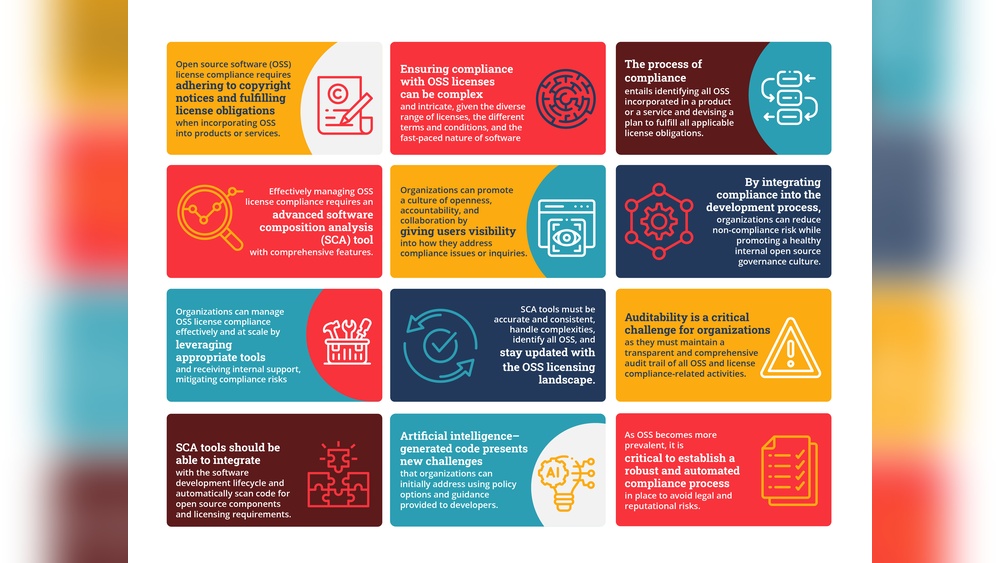
Are you using open source software in your projects but unsure if you’re meeting all the legal requirements? Open source license compliance isn’t just a technical detail—it’s a crucial step to protect your work, your company, and your reputation.
Ignoring license rules can lead to costly legal trouble, damaged trust, and disrupted operations. This article will guide you through the essentials of open source license compliance, helping you understand why it matters, how to identify different licenses, and what practical steps you can take to stay on the right side of the law.
Keep reading to learn how to confidently manage your open source software and avoid hidden risks that could impact your success.
License Categories
Permissive licenses are simple and flexible. They allow users to modify, share, and use software freely. Examples include MIT, Apache, and BSD licenses. These licenses often require only giving credit to the original author.
Copyleft licenses require any modified versions to share the same license. This means changes must also be open source. The GNU General Public License (GPL) is a well-known copyleft license. It helps keep software free and open for everyone.
High-risk licenses have strict terms that may cause legal issues. They often require full disclosure of source code and changes. AGPL is an example, with strong rules for networked software. Companies using these licenses must be very careful to comply.
Compliance Risks
Failing to follow open source license rules can lead to legal problems. Companies might face lawsuits or fines for misuse. These issues can cause financial losses, including costly court fees and settlements. Sometimes, businesses must pay large sums or stop using certain software.
Reputation damage is another serious risk. Customers and partners may lose trust if licenses are ignored. This loss can reduce sales and harm future deals.
Operational challenges arise too. Teams might need to remove or replace software suddenly. This process can delay projects and increase costs. Managing compliance requires careful tracking and clear communication across teams.
Compliance Program Setup
Policy development sets clear rules for using open source software. It helps teams follow the right license terms. Policies should explain what software can be used and how to handle licenses. This makes sure the company stays legal and avoids risks.
Roles and responsibilities define who does what in the compliance program. Assign specific tasks to legal, developers, and management. Clear roles help avoid confusion and make sure everyone knows their duties. This keeps the program running smoothly.
Training and awareness teach team members about open source rules. Regular sessions help employees understand license terms and compliance needs. This reduces mistakes and improves compliance. Simple and clear training works best for all skill levels.
Component Identification
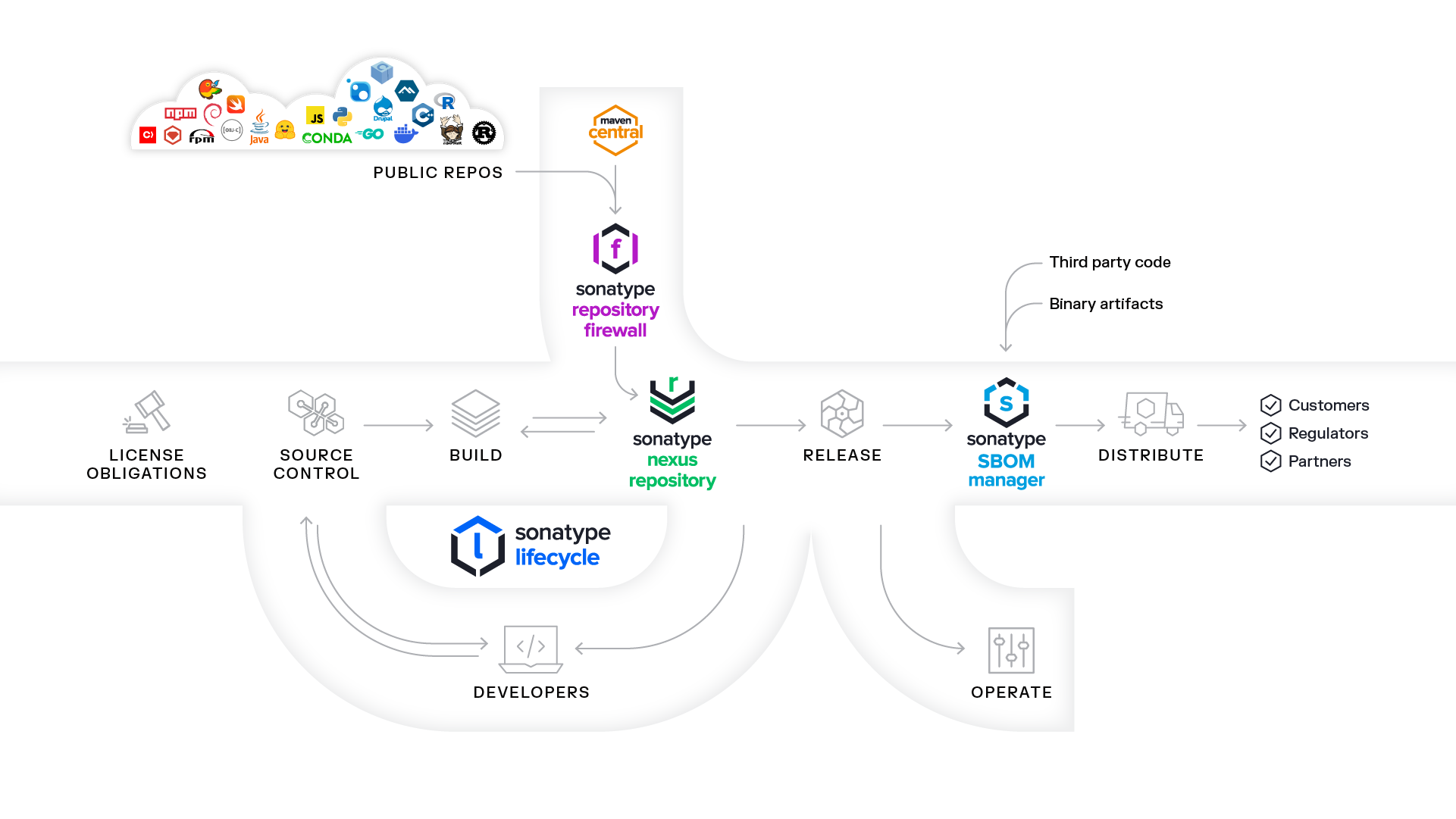
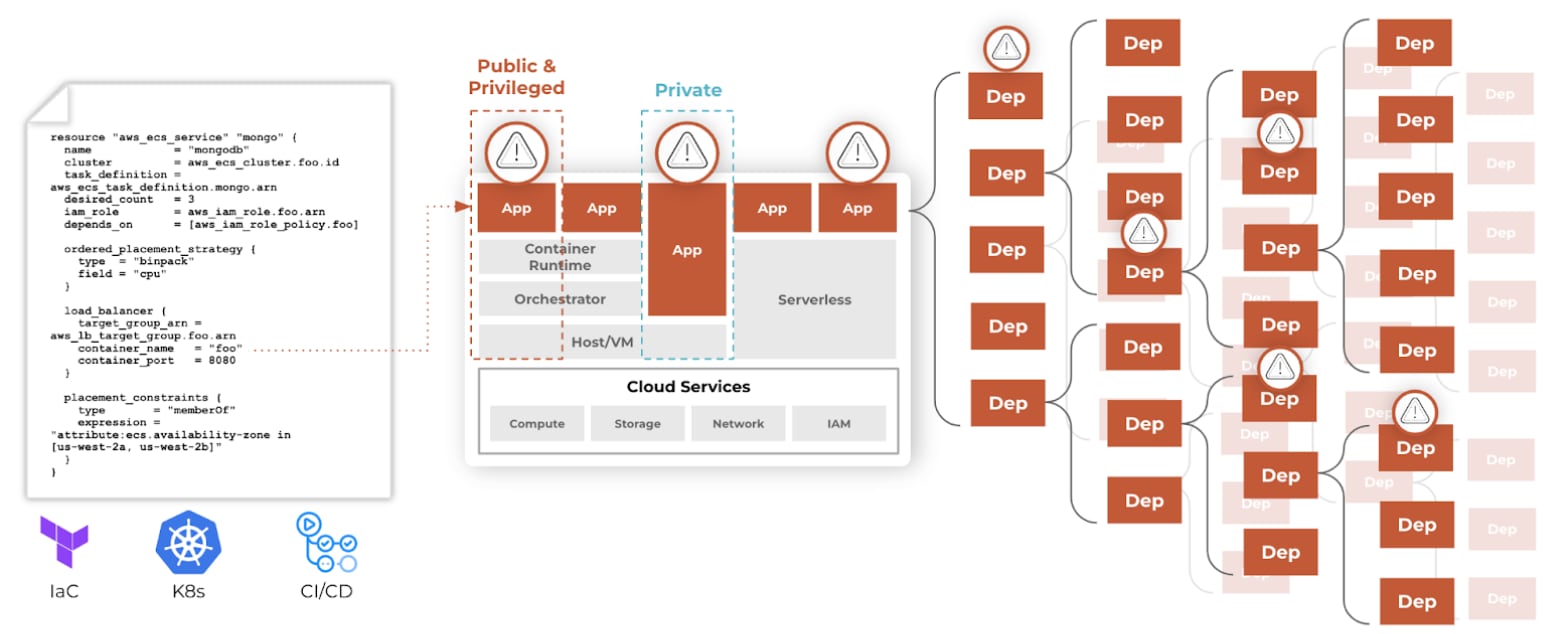
Software Composition Analysis (SCA) helps find all open source parts in software. It scans the code to list each component and its license. This process is key for license compliance.
A Software Bill of Materials (SBOM) is a detailed list of all software components. It shows versions and license types. SBOMs help teams track open source usage clearly.
| Type | Description | Pros | Cons |
|---|---|---|---|
| Manual Scanning | Reviewing code by hand to identify components and licenses. | More control, detailed checks. | Slow, error-prone, needs expertise. |
| Automated Scanning | Using tools to quickly detect components and licenses. | Fast, consistent, covers large codebases. | May miss custom or hidden components. |
License Review Process
Approval criteria focus on understanding the license terms clearly. Some licenses have restrictions that can affect product distribution or use. Teams must check if the license allows modification, redistribution, or commercial use.
Licenses like GPL may require source code sharing, which might not fit all projects. Restricted licenses need careful review to avoid legal issues. Avoiding or limiting these licenses helps keep compliance simpler.
Ongoing monitoring means regularly scanning software for license changes or new components. This helps catch compliance problems early. Using automated tools can make this easier and faster.
| License Aspect | Key Points |
|---|---|
| Approval Criteria | Understand terms, check for restrictions, allow use cases |
| Restricted Licenses | Limit high-risk licenses like GPL, AGPL; avoid legal risks |
| Ongoing Monitoring | Scan regularly, track changes, use automated tools |
Collaboration Strategies
Legal and engineering teams must work closely to ensure compliance. Legal experts explain license terms clearly. Engineers share technical details and challenges. This helps avoid misunderstandings and errors.
Cross-department communication is key. Regular meetings and shared tools keep everyone on the same page. Simple language and clear roles reduce confusion. Teams should report issues early to fix them fast.
Process friction can slow compliance efforts. Streamlining workflows and setting clear steps help. Using automated tools reduces manual work. Patience and cooperation ease tensions between departments.
Tools And Frameworks
OpenChain Project helps companies follow open source license rules. It sets standards for compliance programs. Many organizations use it to build trust and avoid risks.
SPDX Standard is a simple way to share license information. It uses clear, common terms that everyone understands. This helps avoid confusion about software licenses.
SCA Platforms scan software to find open source parts. They check if licenses are followed and warn about problems early. This saves time and reduces legal risks.
Open-Source Scanning Tools are easy to use and often free. They automatically detect license types and potential issues. Teams use them to keep code clean and compliant.
Best Practices
Regular audits help find and fix license issues early. Checking software often avoids big problems later. Use tools to scan your code for open source parts. This keeps track of licenses and compliance status.
Clear documentation explains which open source parts are used. It lists the license types and any changes made. Good records make audits easier and show compliance clearly.
Employee education teaches workers about open source rules. Training helps them understand what licenses allow or forbid. This lowers the chance of accidental misuse.
Risk mitigation steps include setting policies to manage license use. Having a plan for fixing mistakes protects your project. Work with legal experts for advice on complex licenses.
Frequently Asked Questions
What Is Open-source License Compliance?
Open-source license compliance means following the legal terms of open-source software used in your projects. It includes tracking, documenting, and meeting all license requirements to avoid legal risks. Organizations use tools and policies to ensure proper use and distribution of open-source components.
What Are The Best Practices For Open-source License Compliance?
Establish a formal compliance program with clear policies. Use automated tools to track open-source components. Educate teams on license obligations. Collaborate with legal experts. Regularly review and update compliance processes to avoid risks.
Does Open Source Software Require A License?
Yes, open source software requires a license. Licenses define usage rights, obligations, and distribution terms set by the author.
What Open-source Licenses To Avoid?
Avoid high-risk open-source licenses like GPL and AGPL due to strict terms and potential legal challenges. Choose permissive licenses like Apache, MIT, or BSD for greater flexibility and fewer legal risks.
Conclusion
Open source license compliance protects your projects and your business. It helps you avoid legal risks and build trust. Tracking and managing licenses is a continuous task. Use tools and clear policies to stay organized. Educate your team about license rules and responsibilities.
Collaborate with legal experts for better guidance. Staying compliant ensures your software remains safe and reliable. It supports innovation while respecting creators’ rights. Compliance is not just a legal step; it’s smart practice. Keep it simple, steady, and consistent for long-term success.
Read More
- Vendor Software Contract Review: Essential Tips for Risk-Free Deals
- It Procurement Audit Guide: Ultimate Tips for Success
- Software Asset Management Consulting: Maximize Efficiency & Savings
- Software Vulnerability Audit: Essential Tips to Secure Your Code
- Application Security Audit Checklist: Essential Steps for Success
- Devsecops Audit Assessment: Boost Security with Expert Insights
- Microsoft License Compliance Audit: Essential Tips to Stay Compliant
- Adobe License Compliance Review: Essential Tips for Risk-Free Use
- Enterprise Software Compliance Review: Essential Tips for Success
- Application Portfolio Audit Cost: Uncover Hidden Savings Today